Wisdom Teeth Removal and Sedation Dentistry: A Helpful Overview
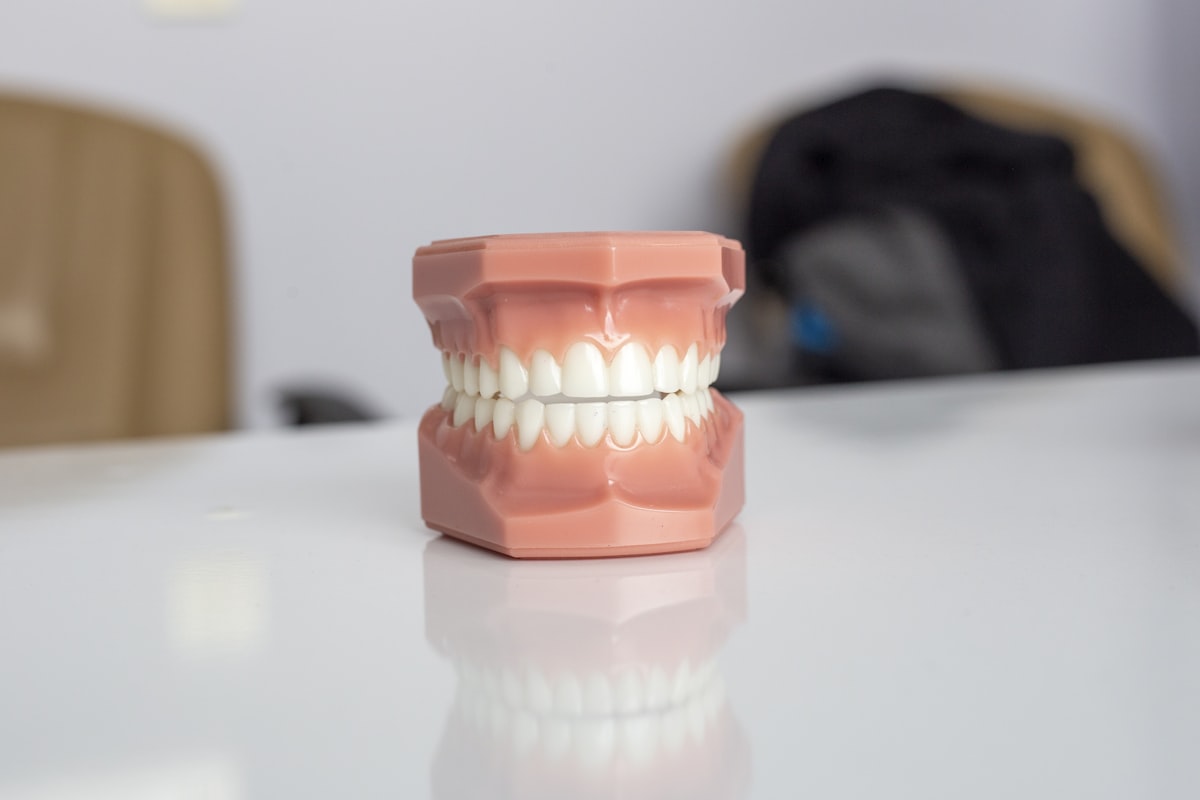
Wisdom teeth have a way of becoming a bigger issue than people expect. Many patients first hear about them during a routine exam, often with no pain at all. Then an X-ray shows a tooth tilted sideways, pressed against the molar in front of it, or sitting trapped under the gums. Suddenly a quiet, symptom-free area becomes a conversation about timing, surgery, healing, and sedation.
That is one reason Wisdom Teeth Removal often feels more intimidating than it needs to. The procedure itself is common, but the decisions around it can seem murky. Should asymptomatic wisdom teeth come out? What kind of sedation is used? Will recovery be difficult? How long should someone plan to be off work or school? These are practical questions, and the answers depend on anatomy, age, overall health, and the complexity of the extraction.
Sedation dentistry often eases the part patients worry about most: the experience of the appointment itself. For some people, a local anesthetic is more than enough. For others, especially those with impacted teeth, dental anxiety, a strong gag reflex, or multiple extractions planned at once, sedation can make the process calmer and more manageable. The right approach is not about bravado. It is about matching the treatment plan to the patient in the chair.
Why wisdom teeth cause so many problems
Wisdom teeth, also called third molars, are the last adult teeth to develop and usually the last to erupt. They often appear in the late teens or early twenties, though the timeline varies. By then, many mouths simply do not have enough room for them. Human jaws vary in size, tooth position, and eruption pattern, so one person may accommodate all four wisdom teeth without issue, while another may have trouble with even one.
The trouble usually falls into a few familiar patterns. A wisdom tooth may stay completely buried under bone or gum tissue, which is called impaction. It may partially erupt, creating a small flap of gum tissue that traps food and bacteria. It may come in at an angle and push against the neighboring second molar. Sometimes it erupts fully but lands in a spot that is nearly impossible to clean well. In practice, these details matter more than the simple question of whether a wisdom tooth is present.
Partially erupted wisdom teeth are particularly notorious. They create spaces where bacteria thrive, and patients often describe soreness that comes and goes, a bad taste, swelling behind the back molars, or difficulty opening wide. Food packs into areas that a toothbrush cannot reach well. The gum tissue gets inflamed, and the cycle repeats. A person can go months feeling fine, then have a painful flare-up during exams, travel, or right before a major event.
Impacted teeth bring a different set of concerns. They can contribute to decay on the second molar, damage root surfaces, or in some cases lead to cyst formation around the unerupted tooth. Not every impacted tooth causes damage, but once a problem is visible on an X-ray, treatment tends to become more urgent.
Not every wisdom tooth has to come out
This point matters. Wisdom Teeth Removal is common, but it is not automatic in every case. There are patients with fully erupted wisdom teeth that are healthy, properly aligned, and easy to keep clean. If those teeth are functioning well and not damaging adjacent structures, monitoring may be reasonable.
The decision usually depends on a blend of findings rather than a single rule. A dentist or oral surgeon will consider the tooth position, the space available, gum health, cleaning access, age, symptoms, and X-ray evidence of risk. A 19-year-old with a mesioangular impaction pressing on the second molar presents a different picture than a 42-year-old with a deeply embedded tooth that has remained unchanged for decades.
Timing is also part of the judgment call. In many cases, younger patients heal more easily because the roots may be less fully developed and the surrounding bone somewhat less dense. That does not mean adults cannot do very well. They often do. It simply means recovery and surgical complexity may shift over time, which is one reason many clinicians prefer to evaluate wisdom teeth before they become an emergency.
What an evaluation usually includes
A proper evaluation is not just a quick glance in the mouth. It generally includes a clinical exam and imaging, often panoramic X-rays, to show the position of the wisdom teeth in relation to nerves, sinus spaces, and neighboring roots. If a tooth appears especially close to the lower jaw nerve, additional imaging such as a cone beam CT may be recommended. That is not routine for everyone, but it can be helpful in selected cases where anatomy needs a closer look.
The conversation should also cover medical history. Asthma, sleep apnea, bleeding disorders, heart conditions, pregnancy, medication use, prior reactions to anesthesia, and tobacco or cannabis use can all influence surgical planning and sedation choices. Even something as ordinary as taking a blood thinner or certain supplements can affect bleeding risk. These are not minor details to mention later. They belong on the table early.
Many patients are surprised by how much planning happens before anyone picks up an instrument. That is a good sign. The best wisdom tooth visits are often shaped by careful decisions made days or weeks beforehand.
Understanding sedation dentistry in plain terms
Sedation dentistry exists on a spectrum. Local anesthetic, which numbs the surgical site, is the foundation. Even if deeper sedation is used, local anesthetic is still typically part of the procedure because it controls pain at the source. Beyond that, the level of sedation can range from very light relaxation to a sleep-like state.
People often use the word "anesthesia" loosely, so it helps to separate terms. Local anesthetic numbs a specific area. Sedation reduces awareness, anxiety, and memory of the procedure to varying degrees. General anesthesia usually means a deeper state of unconsciousness with more extensive airway and physiologic management. In dental settings, the precise option offered depends on the provider's training, licensing, the procedure, and the patient's health profile.
Here is a practical way to think about common options:
- Local anesthetic alone: the mouth is numb, and the patient is fully awake.
- Nitrous oxide: a light inhaled sedative that reduces anxiety and wears off quickly.
- Oral sedation: medication taken before the appointment to promote relaxation, with effects that can be somewhat variable.
- IV sedation: medication delivered through a vein, typically producing deeper relaxation and limited memory of the procedure.
- General anesthesia: a deeper level used in selected settings for more complex cases or specific patient needs.
Patients often ask which method is "best." There is no universal answer. The best choice is the one that fits the procedure and the person. Someone with one erupted upper wisdom tooth and no anxiety may do perfectly well with local anesthetic alone. Someone facing four impacted extractions, severe dental fear, and a history of panic in the chair may benefit greatly from IV sedation or another more comprehensive approach.
What the procedure feels like with and without sedation
The fear many people have is not usually about pain during the extraction itself. With appropriate local anesthetic, sharp pain should be controlled. The bigger concerns tend to be pressure, sound, time, and the emotional strain of knowing what is happening. Some patients find those sensations easy to tolerate. Others do not.
That difference is why sedation can be so valuable. With nitrous oxide, patients often remain conversational but feel less tense. Time seems to pass more easily. Oral sedation may make a patient drowsy and less reactive, Wisdom Teeth Removal though they are not necessarily asleep. IV sedation tends to create the smoothest experience for anxious patients because the level can often be adjusted, and many remember little of the procedure afterward.
There is also a practical side. A relaxed patient is often easier to treat efficiently and safely. That matters during surgical extractions, where access, mouth opening, and cooperation affect the flow of the procedure. Sedation is not just a comfort measure, though comfort is reason enough. It can improve the overall conditions under which the surgery is performed.
What happens during Wisdom Teeth Removal
The steps vary based on whether the teeth are erupted, partially erupted, or impacted. A simple erupted tooth may be loosened and removed with techniques similar to other extractions. Impacted teeth require more surgery. The dentist or oral surgeon may need to make a small incision in the gum, remove a bit of overlying bone, and divide the tooth into sections for safer removal.
That sounds dramatic when written out, but in experienced hands it is standard surgical practice. Breaking a tooth into smaller pieces is often gentler on the surrounding area than forcing a large tooth out in one piece. The goal is controlled removal with as little trauma as practical.
Once the tooth is out, the site is cleaned, and stitches may be placed. Some sutures dissolve on their own over several days to a couple of weeks. The duration of the appointment depends on complexity, but many cases are finished more quickly than patients expect. It is common for the anticipation to feel longer than the surgery.
Recovery is usually straightforward, but it is not identical for everyone
A smooth recovery is the rule, but not every mouth reads the same script. Swelling, soreness, and limited jaw opening are common for the first few days, especially after lower impacted wisdom teeth are removed. Most patients feel that days two and three are the peak for swelling and stiffness. Then things begin to settle.
Pain control has changed over the years. Many patients do well with a combination of ibuprofen and acetaminophen when those medications are medically appropriate. Some need stronger short-term medication, while others never touch it. Ice packs during the first 24 hours can help with swelling, and soft foods are usually more comfortable at first. Yogurt, smoothies eaten with a spoon, soup that is not too hot, scrambled eggs, mashed potatoes, oatmeal, and pasta are common choices. Hydration matters more than most people realize.
The complication patients hear about most is dry socket, especially after lower wisdom teeth removal. This happens when the blood clot at the extraction site breaks down or is lost too early, exposing the bone beneath. It can be quite painful, often a few days after surgery rather than immediately. Smoking, vigorous rinsing, spitting, and sucking through a straw are frequently discussed because they may increase the risk. Not every postoperative ache is dry socket, but pain that worsens instead of improving deserves a call to the office.
Numbness or tingling of the lip, chin, or tongue is another concern people ask about, particularly with lower wisdom teeth near the nerve. In most cases this does not occur. When it does, it may be temporary, but the risk is one reason careful imaging and planning matter. A thoughtful provider discusses this possibility honestly before surgery rather than minimizing it.
The first few days go better when expectations are realistic
Patients often do best when they plan for a quieter schedule than they think they will need. A college student may assume they can have wisdom teeth removed on Friday and return to normal on Saturday. Sometimes that happens. Just as often, they are swollen, tired, and living on soft foods for a couple more days.
A more realistic expectation is that routine, uncomplicated recovery often takes several days, with steady improvement over the first week. Full healing of the extraction sites takes longer. The visible opening in the gums may persist for a while, and food can collect in the lower sites during healing. That is normal and not a sign that something went wrong.
These basic habits make a real difference:
- Follow the office instructions exactly, especially about eating, rinsing, and activity.
- Use pain medication on schedule during the first day or two rather than waiting until discomfort is severe.
- Rest with your head elevated and avoid strenuous exercise right away.
- Choose soft, nourishing foods and drink plenty of water.
- Call promptly if you have heavy bleeding, fever, worsening swelling, or pain that escalates instead of easing.
It is remarkable how often small missteps create avoidable discomfort. The patient who feels relatively good six hours after surgery and decides to eat chips, skip medication, or head to the gym tends to discover that recovery has a way of enforcing humility.
When sedation dentistry is especially helpful
Sedation is not only for people with severe fear. It can also make sense in situations where the procedure itself is more demanding. Four extractions in one visit, deeply impacted lower teeth, limited mouth opening, a strong gag reflex, sensory sensitivity, or difficulty getting numb can all support the case for sedation.
It is also valuable for patients who have had a bad prior dental experience. That history matters more than some people admit. A patient who had a painful extraction years ago may arrive tense before the visit even starts. Their heart rate is up, their breathing is shallow, and every sound in the operatory confirms their expectation that the appointment will be miserable. Sedation can interrupt that cycle. It gives the nervous system fewer opportunities to spiral.
There is another group that benefits quietly: people who are highly stoic but exhausted by the thought of enduring the procedure awake. They may not describe themselves as anxious, but they lose sleep for a week beforehand and clench through every visit. For them, sedation can turn a dreaded event into a surprisingly uneventful morning.
Safety depends on the right match, not just the strongest option
A common misconception is that deeper sedation is always better. It is not. Stronger sedation carries more monitoring requirements and may not be appropriate for every patient or every office setting. Someone with significant medical issues, obstructive sleep apnea, certain airway considerations, or medication interactions may need a different plan than a healthy young adult. The choice should be individualized.
That is why a thorough preoperative discussion matters so much. Patients should expect questions about past anesthetic experiences, fasting instructions, transportation home, and what medications to stop or continue. If IV sedation or general anesthesia is planned, fasting instructions are especially important. Ignoring them can lead to delays or cancellation because safety comes first.
If you are considering sedation dentistry, it is reasonable to ask who will administer it, how you will be monitored, what level of sedation is planned, and what recovery will look like. A careful provider welcomes those questions. They are signs of an engaged patient, not a difficult one.
Questions worth asking before you schedule
The most useful consultations are conversations, not sales pitches. Patients often leave feeling calmer when they understand the rationale behind the recommendation. If a surgeon advises early removal, the explanation should be specific. Maybe the lower teeth are impacted against the second molars. Maybe the upper teeth are trapped in a position that makes future sinus-related issues more likely. Maybe recurrent gum infections are already happening. The details matter.
Ask how complex the extractions appear, what kind of sedation is recommended and why, how long the appointment may take, what the first 72 hours usually feel like, and when you can return to work, school, exercise, or travel. If a wedding, vacation, or exam is coming up, say so. Timing can often be adjusted to avoid making recovery compete with something important.
Cost is also part of the real-world picture. Sedation, imaging, surgical complexity, and insurance coverage vary. A clear estimate before the appointment helps prevent unpleasant surprises. Most patients are less stressed when the financial side is explained plainly rather than left vague.
A final practical perspective
Wisdom teeth are one of those areas in dentistry where a calm, individualized plan beats internet folklore every time. Some people truly do need only a simple extraction with local anesthetic. Others benefit from a coordinated surgical visit with sedation dentistry because it reduces stress, improves the treatment experience, and makes a complex procedure easier to manage.
The key is not to treat all wisdom teeth as identical and not to treat all patients as identical either. A well-positioned, easy-to-clean wisdom tooth is different from a partially erupted lower third molar that flares up every few months. A patient who is comfortable in the dental chair is different from one whose blood pressure rises at the smell of an operatory. Good care recognizes both kinds of differences.
When Wisdom Teeth Removal is recommended, the goal is not simply to remove teeth. It is to prevent bigger problems, protect neighboring teeth, and get the patient through the process as comfortably and safely as possible. Sedation dentistry is often an important part of that equation. Used thoughtfully, it turns a procedure people dread into one they often describe afterward with mild surprise: that was easier than I expected.
Oxnard Dentistry
1730 E Gonzales Rd, Oxnard, CA 93036, United States
+1 805-307-8731
FAQ About Wisdom Teeth Removal
How painful is it to remove a wisdom tooth?
Local anesthetic numbs the area during extraction. Pressure may still be noticeable; tell the dentist if you feel pain. Soreness and swelling afterward are common. Follow the pain-control instructions provided for your situation.
How long is recovery for wisdom teeth extractions?
Recovery varies with the tooth position and complexity of the extraction. Some people resume routine activities quickly, while others need several days of rest. Soreness, swelling and jaw stiffness can last up to two weeks. Follow your clinician's aftercare and activity advice.
What are the risks of wisdom tooth removal?
Possible complications include dry socket, infection, persistent bleeding and changes in sensation from nearby nerve injury. Your dentist or oral surgeon should explain your individual risks before treatment. Seek prompt dental advice for bleeding that will not stop, fever, or severe or worsening pain and swelling.